- To
- Adult, wellness and nightlife brand teams
- From
- BrandAfterdark
- Re
- Digital PR
- Date
- · 7 min read
An adult digital PR guide: baseline, story, reporters, results
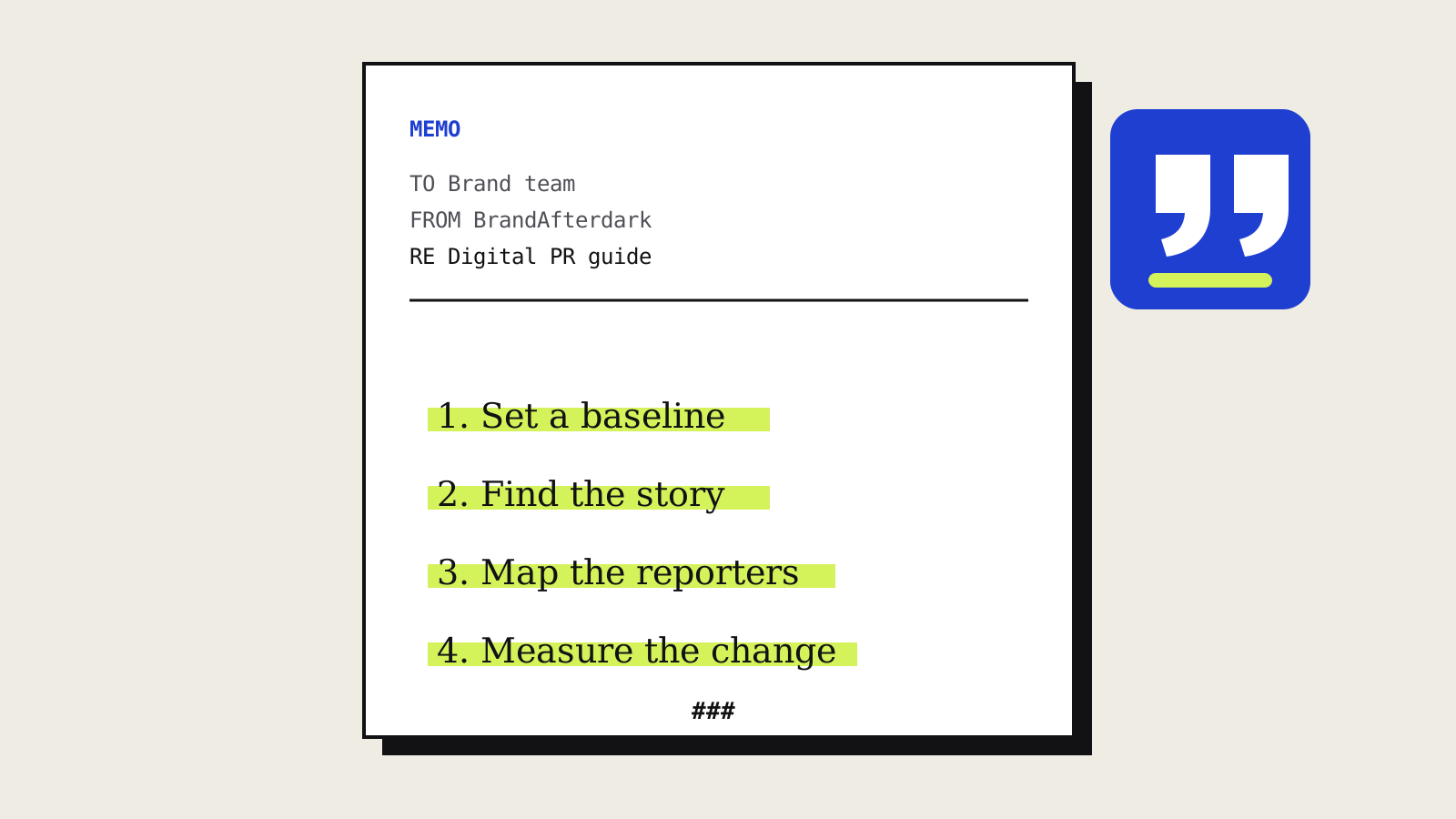
Adult digital PR works when it is run like a measurement exercise: a baseline first, then one story reporters want, pitched to the journalists AI assistants already cite, then an honest count of what changed.
The short version
Digital PR for an adult brand is not a numbers game. It works when it is run like a measurement exercise: record where you stand, find one story a reporter genuinely wants, pitch it to the few journalists who already shape your category, and then count what changed. Links may follow. They are not the point.
Step 1: Set a baseline
Before any pitching, write down four numbers you can check again later:
- Coverage: articles, newsletters and podcasts that mention you in the last twelve months.
- Mentions: every place your brand is named online, linked or not.
- Branded search: how often people search your name, from Search Console and Google Trends.
- AI answers: what ChatGPT, Claude and Gemini say to a fixed set of about ten questions about you and your category.
Save the AI answers word for word. They change, and without a record you cannot tell whether your work moved them.
Step 2: Find one story
One strong story beats five weak ones. Good sources for an adult brand are original data, a founder with a clear view on a live issue, a law or platform change your customers feel, and a milestone told as a business story. Our guide to story angles goes through each.
Test the story with one question: would a reporter's readers care if your brand's name were removed from it? If not, it is an advert.
Step 3: Map the reporters AI already reads
Here the work has changed. Muck Rack's research on AI citations found earned media made up 84% of the sources ChatGPT, Claude and Gemini cited in May 2026, with journalism alone at 27%. Its December 2025 edition found that on average only 2% of the journalists PR teams pitch most were among those AI engines cite most for their brands.
So build the list from the answers themselves. Ask the assistants about your category, note which articles and reporters they cite, and read those reporters' recent work. That list is short, specific and often overlooked by competitors.
Step 4: Pitch briefly, one at a time
Journalists in Muck Rack's 2026 survey said they prefer one-to-one email pitches under 200 words, and most delete anything off their beat. Write each pitch for one reporter, lead with the finding, offer a named spokesperson, and ask one question. Follow up once, with something new. The full method is in how to pitch the media.
Step 5: Measure what changed
Three months in, check the same four numbers. Report coverage by outlet and prominence, mentions by type, branded search against the same months last year, and the saved AI answers side by side with the new ones.
AI answers vary between sessions and models, and branded search moves for many reasons. Treat changes as signals, and look for the same direction across several measures before calling a campaign a success.
When to bring in help
A brand with a clear story and time to pitch can run this itself. Help is worth it when you need a media map for an unfamiliar beat, a spokesperson prepared for difficult questions, or monthly consistency. That is what our adult digital PR service does, starting with the Story package.
On the record: questions
Coverage can land within weeks of a strong pitch. Changes in branded search and AI answers usually take a few months, so judge a campaign over a quarter, not a week.
A fixed set of ten or so: what is your brand, is it trustworthy, and who are the best brands in your category. Ask the same questions in the same assistants each month and keep the answers.
Not usually. Many US newswires refuse adult brands, and reporters prefer a short, personal pitch. A release on your own site is still useful as a reference page.